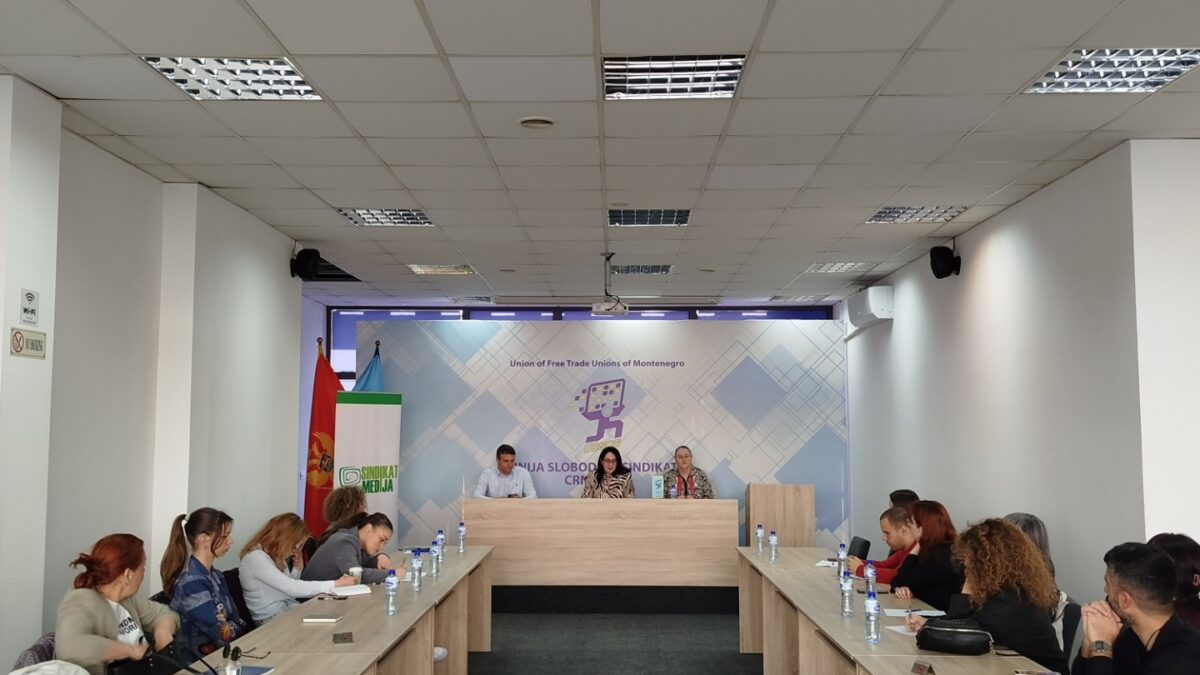

The Trade Union of Media of Montenegro (TUMM), in cooperation with the Agency for Personal Data Protection and Free Access to Information (AZLP), organised a training session on the practical application of the Law on Free Access to Information, intended for journalists and media professionals.
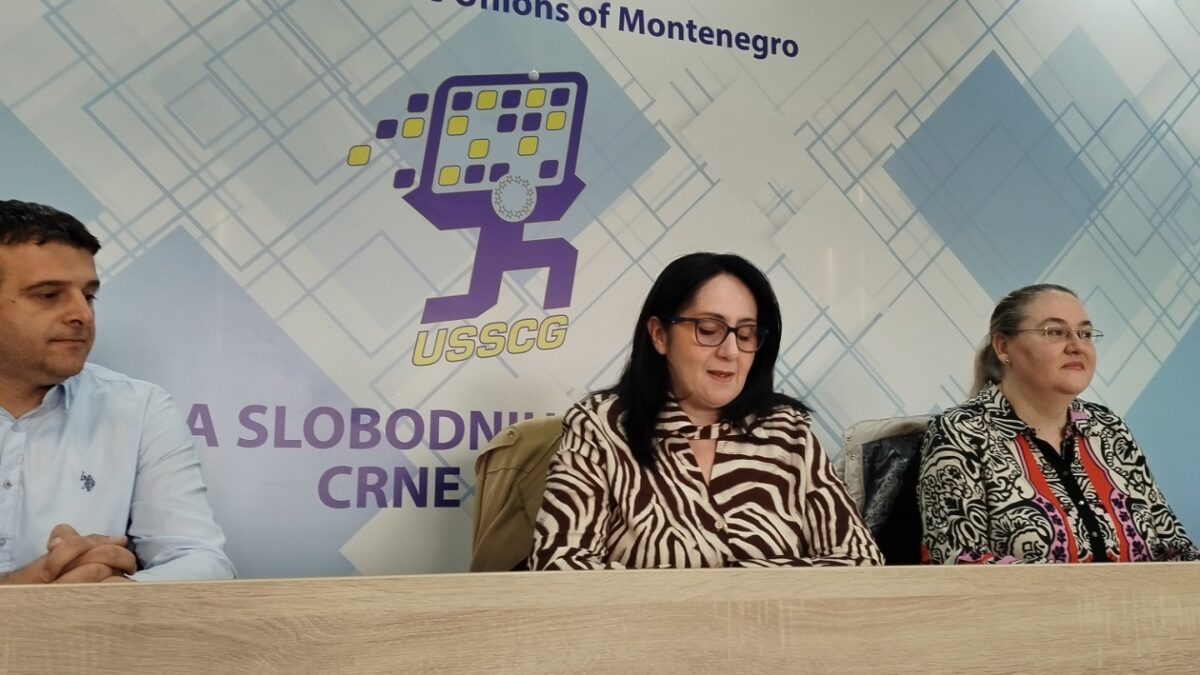
The training was opened by the Agency’s Director, Maja Žunjić Mitrović, and TUMM President Radomir Kračković, who spoke about the importance of the right to access information for free and responsible journalism, as well as the role of institutions and the media in ensuring transparency in public administration.
Biljana Božić, Head of the Department for Free Access to Information and Chief Inspector at the Agency, led the session and presented the key aspects of implementing the Law on Free Access to Information. Her presentation covered the processing of personal data in access-to-information procedures, the legal grounds for such processing, and the most common practical challenges encountered in this area.
Participants had the opportunity to learn how to effectively submit requests for access to information, what obligations public institutions have when deciding on such requests, and how to respond when authorities remain silent or refuse access to requested information. Particular attention was given to legal remedies available for protecting the right of access to information, including appeals against administrative silence, appeals against Agency decisions, and the possibility of initiating administrative court proceedings.
The training also covered the case law of the European Court of Human Rights related to access to information, which can be particularly relevant in more complex cases. Additional topics included the re-use of public sector information, metadata, machine-readable formats, and the Open Data Portal.
The aim of the training was to provide journalists and media professionals with practical knowledge that will help them make more effective use of legal mechanisms for accessing information of public interest, thereby strengthening both investigative journalism and everyday reporting.