

 By
By Almost three quarters of media employees in Montenegro earn salaries below the national average wage, according to the Survey on the Socio-Economic Position of Journalists and Other Media Professionals. The survey was conducted by the research agency Defacto Consultancy for the OSCE Mission to Montenegro and the Trade Union of Media of Montenegro (TUMM).
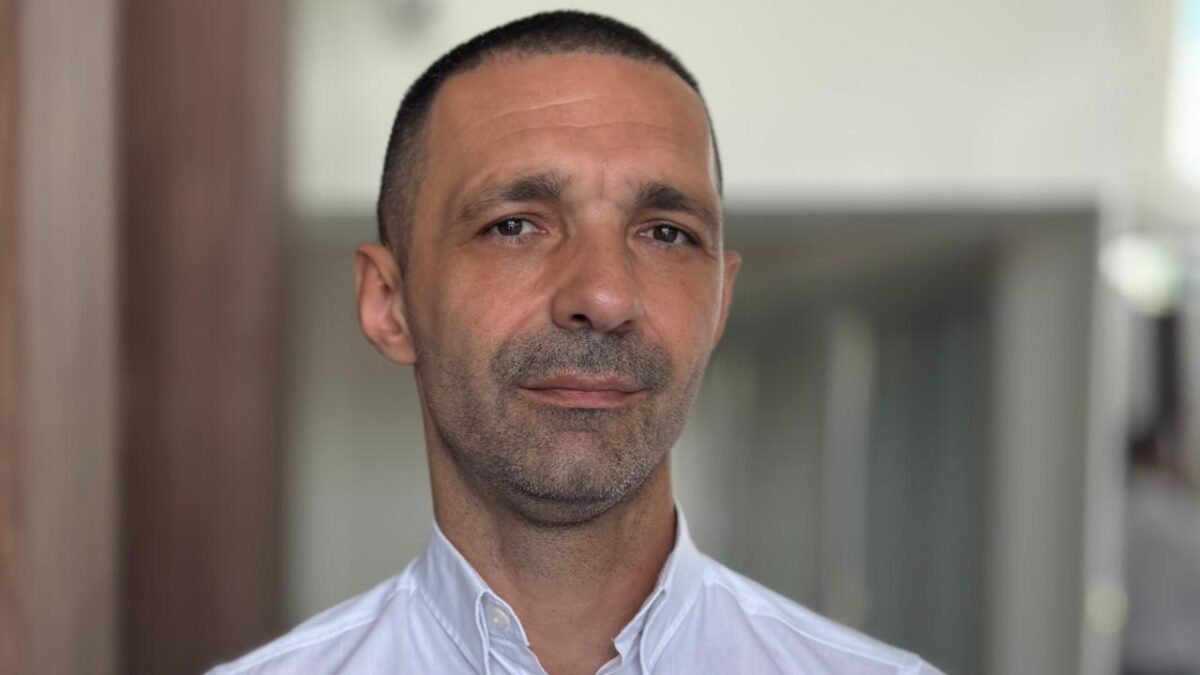
Deputy Head of the OSCE Mission to Montenegro, Giovanni Gabassi, said that 23 January, Journalists’ Day in Montenegro, is an opportunity to recognise the crucial role media professionals play in democratic societies, particularly in holding public officials accountable, while also highlighting the ongoing challenges journalists face.
According to Gabassi, the OSCE Mission and TUMM jointly implement activities aimed at improving journalists’ safety, including psychological support and the protection of women journalists, with this survey being one such activity.
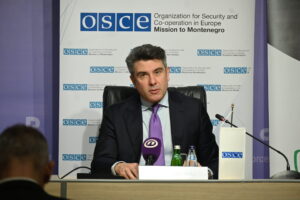
photo: OSCE Mission in Montenegro
“Journalism is a demanding profession, and the data strongly confirm this. More than half of respondents report high levels of work-related stress, while 69 per cent identify burnout or emotional exhaustion as a frequent occurrence. The findings related to young journalists are equally concerning. More than nine out of ten respondents see political or editorial pressure as a key factor discouraging young people from entering journalism, while six out of ten cite low starting salaries as a major obstacle,” Gabassi said.
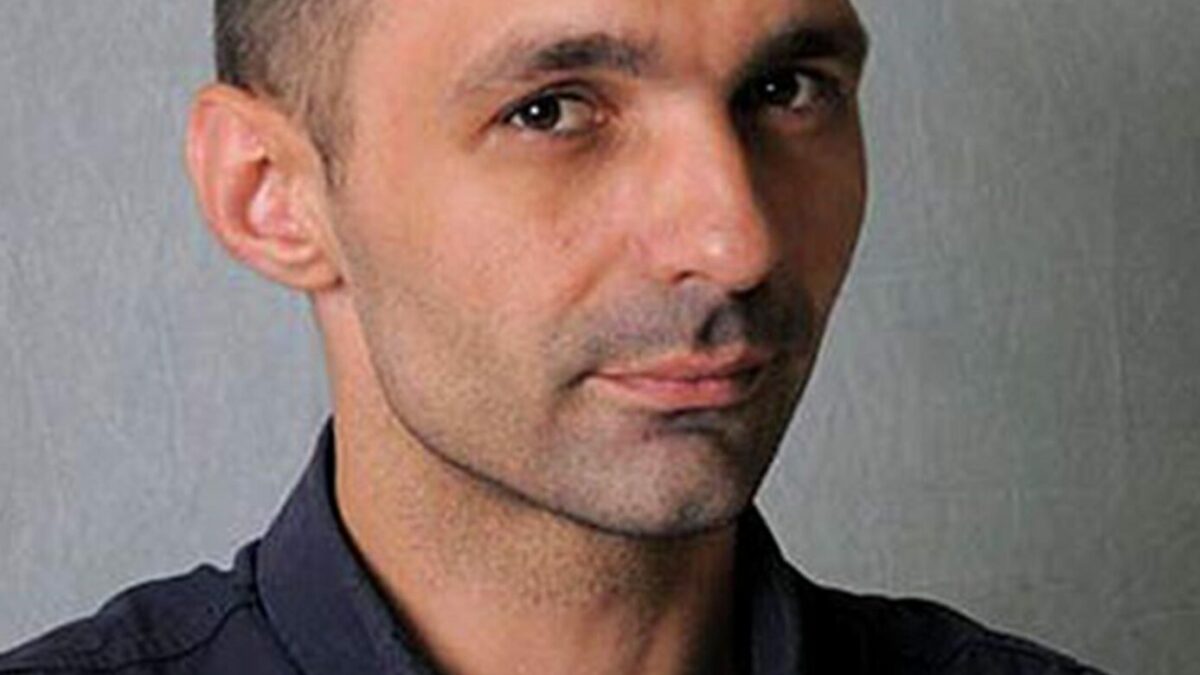
TUMM President Radomir Kračković stated that the socio-economic status of media professionals is a priority for the union and that data such as these provide a solid basis for improving the economic position of media workers.
“Although we note a slight improvement in economic conditions, it is not sufficient. Salaries still do not allow for a dignified standard of living, nor do they reflect the weight and responsibility of the profession. At the same time, allocations from the state budget to both public service and private media have increased significantly, and we believe this must be reflected in the wages of media workers,” Kračković said.
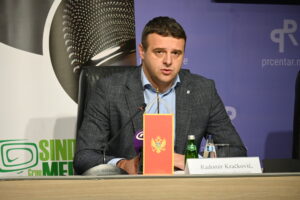
photo: OSCE Mission in Montenegro
He emphasised that those who produce media content should be better paid and, as a result, more motivated to fight not only for their own survival but also for the advancement of the media profession as a whole.
“At TUMM, we are faced with weak social dialogue, which is the key instrument for improving the position of media employees, while collective agreements remain rare. Years-long negotiations with employers on a sectoral collective agreement have yielded no results, but our task remains to convince media owners to sign it in the coming period. The data from this survey clearly show that this is necessary and must not be postponed, as any further delay means not only a worse position for media workers but also further deterioration of the media sector itself,” he said.
Slaven Živković of the Defacto Consultancy research agency said that the majority of journalists in Montenegro are permanently employed (77.8 per cent), while 16.5 per cent work on fixed-term contracts and 4.6 per cent under service contracts.
According to him, Montenegrin journalism is predominantly based on permanent employment, while more flexible and insecure forms of work are present to a lesser but still significant extent.

The results show that a substantial number of journalists in Montenegro have long-term experience within the same media outlet. The largest group of respondents—39.5 per cent—have worked in their current newsroom for more than ten years.
“However, while this stability has its advantages, there are aspects that clearly need improvement. For example, we found that nearly three quarters of media employees report earning less than the average salary in Montenegro. That is a serious problem,” Živković said.
The majority of journalists (58.7 per cent in public media and 55.3 per cent in private media) received a salary increase over the past year, independent of wage increases under the ‘Europe Now 2’ programme, while salary reductions were almost non-existent.
“The general trend shows that employees in both public and private media face very similar problems. Nevertheless, most respondents still report certain improvements, suggesting that the situation was worse not so long ago than it is today,” Živković said.

photo: OSCE Mission in Montenegro
According to the survey findings, most journalists report that employers regularly pay social security and health insurance contributions and that they work within a standard eight-hour workday. However, a significant portion works longer hours: 28 per cent work between eight and ten hours a day on average, while 3.4 per cent work more than ten hours daily.
Overtime work is more prevalent in private media, where 35 per cent of journalists work overtime several times a week or almost every day, compared to 28 per cent in public media. This work is rarely fully compensated, as fewer than half of journalists in both sectors receive full payment for overtime.
When asked about priorities, as many as 60 per cent of respondents identified salary increases as the most important change, while one in ten highlighted the need for stronger protection from pressure as their primary concern.
Although 91 per cent of journalists stated that they feel safe at work, the most common forms of endangerment are verbal threats and online harassment, while 6.4 per cent reported physical threats or attacks. More than 40 per cent said they had never experienced pressure to change content, while among those who had, the most frequent sources of pressure were editors and political actors.
Živković stressed that stress is extremely prevalent in the media sector: more than half of respondents rated their stress level as high or very high, while as many as 69 per cent said they experience burnout frequently or occasionally.
“None of the more than 40 newsrooms we visited has institutionalised psychological support or a system for monitoring employees’ mental health, which means stress accumulates and remains unresolved,” Živković warned, noting that one in four respondents reported having been a victim of workplace mobbing.
In terms of recommendations, Živković emphasised the urgent need to adopt a sectoral collective agreement for the media, increase salaries to at least the level of the average wage, protect journalists from unpaid overtime, strengthen safety mechanisms, and ensure systematic care for employees’ mental health.
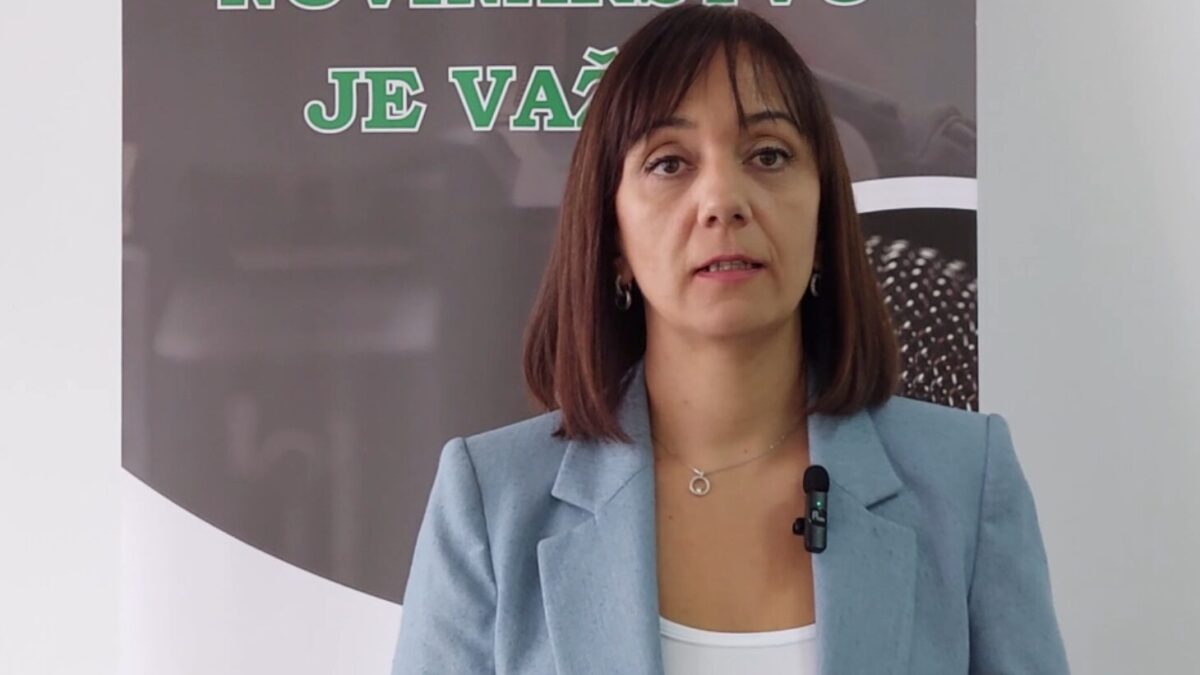
TUMM Vice President Marijana Camović Veličković said that the findings of the survey largely correspond with what the union has recorded through its ten-year membership surveys, but that in some areas negative trends have intensified, particularly regarding salary levels.
“It is clear that much stronger efforts are needed to improve the economic position of media employees and, once again, to initiate negotiations on a sectoral collective agreement—especially this year, as we are witnessing difficulties even in securing a general collective agreement, the suspension of which leaves employees without basic rights,” Camović Veličković said.

photo: OSCE Mission in Montenegro
She noted that it is encouraging that colleagues recognise the work of the Media Trade Union and are aware of the need to improve their own approach where limitations exist.
She also referred to strong anti-union discrimination during 2025, stating that employees at RTCG and RTV Podgorica were exposed to the greatest pressure, with more than 100 workers leaving union organisations.
“Particularly concerning is the fact that pressure on employees is increasingly shifting from private to public media, which must be an alarm for the entire public—because we are talking about people entrusted with important public functions and who directly decide on the livelihoods of employees,” Camović Veličković concluded.